
Feeding my family organic food is important to me. While great debate continues as to the benefits and safety of organic vs. conventional food, certain points cannot be argued.
Take synthetic pesticides for example. Even those neutral to the debate note the shakiness of their safety. According to WebMD, “The amount of man-made pesticide residues found in conventional foods is still well below the level that the Environmental Protection Agency has deemed unsafe. The real issue is whether these small doses, over years and decades, might add up to an increased health risk down the line.”
Scientists and researchers cannot dispute the fact that there are indeed potential dangers from pesticides. From personal family experience, I know that certain cancers are suspected to be caused by prolonged exposure to synthetic pesticides. In my opinion, the words “suspected” and “prolonged” are not enough for me to take a chance. As a mother, especially with a baby whose system is a clean slate, I won’t take any chances with his health if I know there is a safer alternative.
I realize that organic products are usually more expensive than their conventional counterparts and therefore not always financially practical. But like everything else, it’s up to us to make individual choices for what we feel is most important. That’s why I’ve learned to find a balance by choosing organic options in certain food groups whose conventional counterparts are found to be less safe.
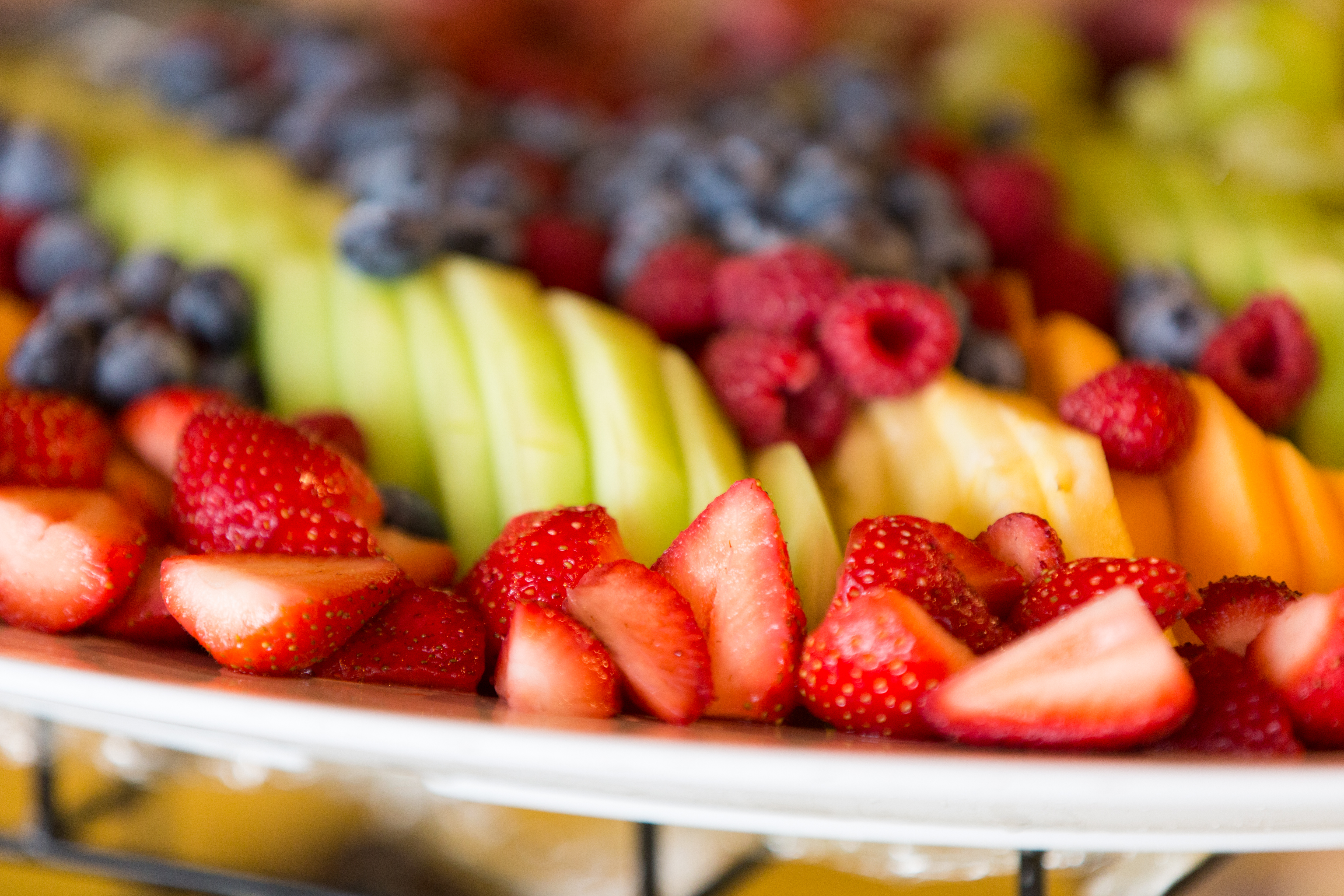
For example, research shows that among produce the highest levels of pesticides are found in “The Dirty Dozen:” strawberries, spinach, kale/collard/mustard greens, peaches, pears, nectarines, apples, grapes, bell/hot peppers, cherries, blueberries, and green beans.
So, to satisfy my health concerns and my budget, I always purchase the organic versions of these items while relaxing a bit on other produce. The “Clean 15” has shown the smallest levels of pesticide residue, so if you want to save some dough on your produce, enjoy these conventionally: avocados, sweet corn, pineapples, onions, papaya, sweet peas, asparagus, honeydew, kiwi, cabbage, mushrooms, mangoes, sweet potatoes, watermelon, and carrots.
Here are a few basic points about what it means when something is produced organically:
- No use of synthetic pesticides
- No use of GMOs (genetically modified organisms which artificially change something’s genetic material through laboratory manipulation)
- A higher standard of environmentally safe production
- A commitment to better treatment of animals
- Eggs, poultry, and milk products are produced by animals who are fed unmedicated, natural or organic food and allowed to roam and graze
- Animals are never injected with antibiotics while producing food
- Animals are never injected with genetically engineered artificial growth hormones, such as rGBH (recombinant bovine growth hormone)
I feed my son (and myself!) a ton of fruits and veggies, and we also love dairy. Cheese, milk, and yogurt make regular appearances at our meal table, which is why the production of my dairy choices is of significant importance to me.
Just like the debate over produce and pesticides, some argue that there is no provable difference between the safety of conventional and organic dairy products. But again, with nasty hormones and other foreign substances entering our food-producing animals, this risk-minimizing mama begs to differ!
Think about it. If we’re concerned about what we ingest when we breastfeed our babies, shouldn’t we also be concerned how cows are treated when we drink their milk?!
I love Organic Valley dairy products, and I trust their wholesomeness and high safety standards for the health of my family. I also feel they taste better, purer, and richer than conventional dairy products.


My product picks for the five best of Organic Valley are:
- Heavy Whipping Cream – you can truly taste the difference when making fresh whipped cream or adding a little richness to a creamy pasta sauce
- Mexican Blend shredded cheese– the most delicious combo of Sharp Cheddar, Colby and Monterey Jack I’ve ever had that makes a fabulous burrito, panini, or omelette every time
- 4% Milkfat Small Curd Cottage Cheese – my son’s favorite and an excellent, easy-to-chew choice filled with calcium, vitamin D and protein for babies who have been introduced to milk
- American Singles – Alleluia! an unprocessed sliced cheese for sandwiches and grilled cheeses when nothing else but American will do
- Grass-fed Whole Milk Yogurt – another great whole milk option for babies under two in need of fat, plus research shows that milk from grass-fed cows contain more DHA-healthy omega-3s than milk from cows that are fed grains
While the organic vs. conventional debate will probably continue until the cows come home (sorry,) there are ways to balance out your choices that will benefit both your health and your wallet.
 What Lara Wrote